In today’s fast-growing digital world, full-stack development plays an important role in modern tech companies. A full-stack developer is a professional who can work on both the front-end and back-end of a website or application. This means they handle everything from designing user interfaces to managing serve
Full-Stack Development Explained
Developers use full-stack technology to create whole websites from beginning to end, building everything from the user’s interface (UI) to the server, the database, the business . application logic, as well as any external services such as APIs or third party tools. The full-stack approach allows developers to develop all elements of the software development process in conjunction with one another, allowing fast, efficient.
Why Should Companies Care About Full Stack Developers?
In agile environments (where rapid iteration and collaboration are paramount), full-stack development is important because it provides developers with the opportunity to create cohesive applications by bridging the gap between design and functionality. Because of this versatility, full-stack developers eliminate the need for various different specialists and work to make communications between teams more efficient, thereby accelerating the overall production of digital products to market size.
full-stack development
What is Full-Stack Development in Web Application Development?
Understanding Front-End and Back-End Development in Full-Stack Projects
Key Technologies Used in Full-Stack Web Development
Full-Stack Development
Full-stack development refers to the practice of designing, building, and maintaining web applications by working across both the front-end (client-side) and back-end (server-side) of the software. A full-stack developer is skilled in creating intuitive and responsive user interfaces using technologies like HTML, CSS, and JavaScript, while also managing the logic, data processing, and server infrastructure.
Database interactions that run behind the scenes. These professionals handle everything from integrating APIs and setting up databases to deploying and maintaining applications. allowing them to oversee a project from concept to completion without needing to switch between multiple specialists. Because they understand the entire technology stack, full-stack developers help streamline workflows. improve collaboration between design and development teams, reduce project costs.
Back-End Development
Back-end development handles server logic, databases, and application performance. Popular back-end technologies include Node.js, Python, Java, PHP, and databases like MySQL and MongoDB.
Skills Required for Full-Stack Development
To succeed in Full-Stack Development, a developer should know:

- Front-end technologies (HTML, CSS, JavaScript)
- Back-end programming languages (Node.js, Python, Java)
- Database management (SQL and NoSQL)
- Version control systems (Git)
- Basic knowledge of cloud computing and DevOps
What Is Full-Stack Development?
At its core, full-stack development refers to building complete applications — from the user interface that interacts with users to the server logic and database behind the scenes.
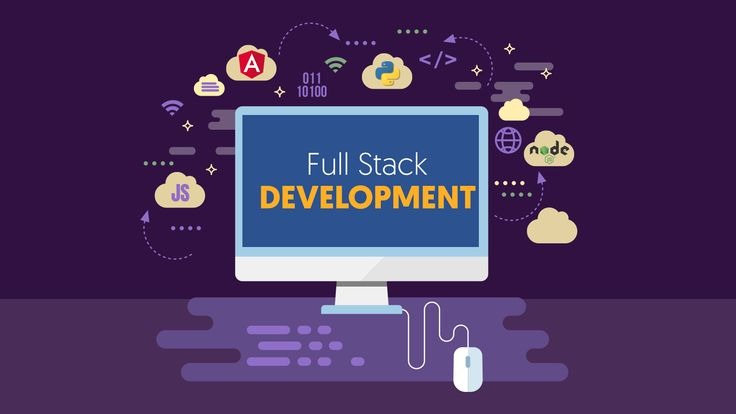
This means working with:
- Front-end technologies like HTML, CSS, JavaScript, and frameworks such as React or Angular
- Back-end languages and tools like Node.js, Python, or Java with databases like MySQL or MongoDB
- APIs, deployment tools (like Docker or cloud services), and testing workflows
These combined skills allow full-stack developers to build functional, user-friendly applications from scratch.
Importance in Modern Tech Companies
1. Cost-Effective
Companies can hire one full-stack developer instead of separate front-end and back-end developers. This reduces cost and improves efficiency.
2. Faster Development
Full-stack developers can build complete applications quickly because they understand the entire system.
3. Better Communication
Since they know both front-end and back-end, they can easily coordinate between different teams and reduce misunderstandings.
4. Problem Solving
They can identify issues across the whole system and fix them faster.
5. Flexibility
Full-stack developers can adapt to different technologies and project requirements. Startups especially prefer full-stack developers because they can handle multiple tasks.
Role in Startups and Large Companies
In startups, full-stack developers often build the complete product from scratch. In large companies, they work as part of a team and help integrate different systems.
Importance of Full-Stack Development in Modern Web Development
Full-Stack Development is important because it provides complete control over web application development. Companies prefer full-stack developers because they can handle entire projects, reduce communication gaps, and speed up development time.
Full-stack developers also help businesses save costs by reducing the need for separate front-end and back-end teams. Their broad knowledge improves problem-solving and ensures better system performance.
Benefits of Full-Stack Development
Accelerated Project Delivery
The ability of full-stack developers to design and create applications at great speed incurs a lower cost.
Effective Development Costs
It normally costs less to hire one full-stack developer than to employ several different specialists.
Fewer Problems
Full-stack developers are able to pinpoint problems throughout a complete stack of technology, and this allows them to remedy issues.
Capacity for Flexibility and Expansion
Applications that are built with a full-stack isolate are easily modified as a business grows and technology shifts.
The Importance of Full-Stack Development in Today’s World
Faster Development Cycles
When a full-stack developer has experience in the entire application stack, they can build prototype features quickly – prototype, test and launch. In today’s highly competitive industries, being able to bring products quickly to market can be one of the most important factors in determining whether your company is successful or not.
Cost-Effective for Startups and Small Teams
Hiring a full-stack developer can be a more cost-effective choice for small teams or startups than having separate front end and back end developers because one developer can perform the functions of two separate developers, so it reduces the number of people being hired, as well as the amount of communication overhead that is created through the hiring of separate developers.
More Team-Oriented Work
A full-stack developer acts as a bridge between design, UI, logic and data, so they have a much better understanding of what is going on within the entire application, and they are able to provide effective communication with designers, product managers. developers that are working on the same team, which improves overall collaboration and helps eliminate misunderstandings between other members of the team.
More Effective Trouble-Shooting
Because full-stack developers have experience working with the entire application, they are able to troubleshoot very effectively. Instead of being limited to only a specific section of code, where the bug was found, the full-stack developer can work with all layers of code from the front end. Through the back end and diagnose a problem throughout the entire application, which greatly enhances reliability and performance.
Companies that develop their own technology are increasingly using smaller, more efficient teams. In addition, there is more room for individual developers in these types of environments because of the full-stack skill set of a developer can full fill many roles. The end result is the same, a smaller team is able to achieve the same results as a larger one.
full stack developers knowledge
Lastly, since full-stack developers have the knowledge of the entire lifecycle of individual applications, they can create applications that are scalable and maintainable for the long-term. Therefore, full-stack developers can determine the performance that will be required by a given application and build a solid foundation for that application so that it will maintain that level of performance going forward.
Overall, the importance of full-stack development is clear for today’s technology landscape and there are a number of benefits associated with using a full-stack developer to complete projects. Some of these benefits are highlighted below:
Versatile, Flexible Roles
Using full-stack developers gives you option to assign a single developer to all aspects of your project; and consequently minimize your reliance on other teams, and improvement in the delivery time for each element.
Faster Project Delivery Times
Finally, because full-stack developers understand how each component of a project functions, they are able to develop prototypes, build functional versions of the applications, and fix components much faster than developers on the front-end or back-end only, which also allows you to rapidly test various component functions and to rapidly implement the required fixes.
Cost-Effective Alternatives
Lastly, hiring a full-stack developer is often less expensive than hiring multiple developers for various portions of a project; therefore providing an opportunity to reduce project costs when working with an established company or when an individual company is trying to establish itself within the industry.
Effects of Current Software Projects
Since the advancements of technology as a result of the increasing demand for skilled full-stack developers.
Full stack developers are much more than just programmers; they provide complete solutions in the digital landscape. Modern web development practices are changing; specifically, sites are now more full stack. They use creativity, technical expertise, and the ability to solve problems to develop complete websites. With the ongoing trend of digital transformation occurring globally, we will see a continued increase in the need for skilled full stack development
conclusion
The role of full stack development has emerged as an essential pillar of modern technology companies by integrating both front-end and back-end professional experience into one position allowing for a quicker time-to-market through enhanced inter-team collaboration & lower cost. This ability to have both front-end and back-end capabilities also allows a team to develop scalable & integrated applications while being more flexible to emerging technologies and changes in the marketplace. With the continued growth of demand for full stack development and the increasing complexity of digital product offerings, full stack development will remain an integral component of innovative solutions delivered as quality software.